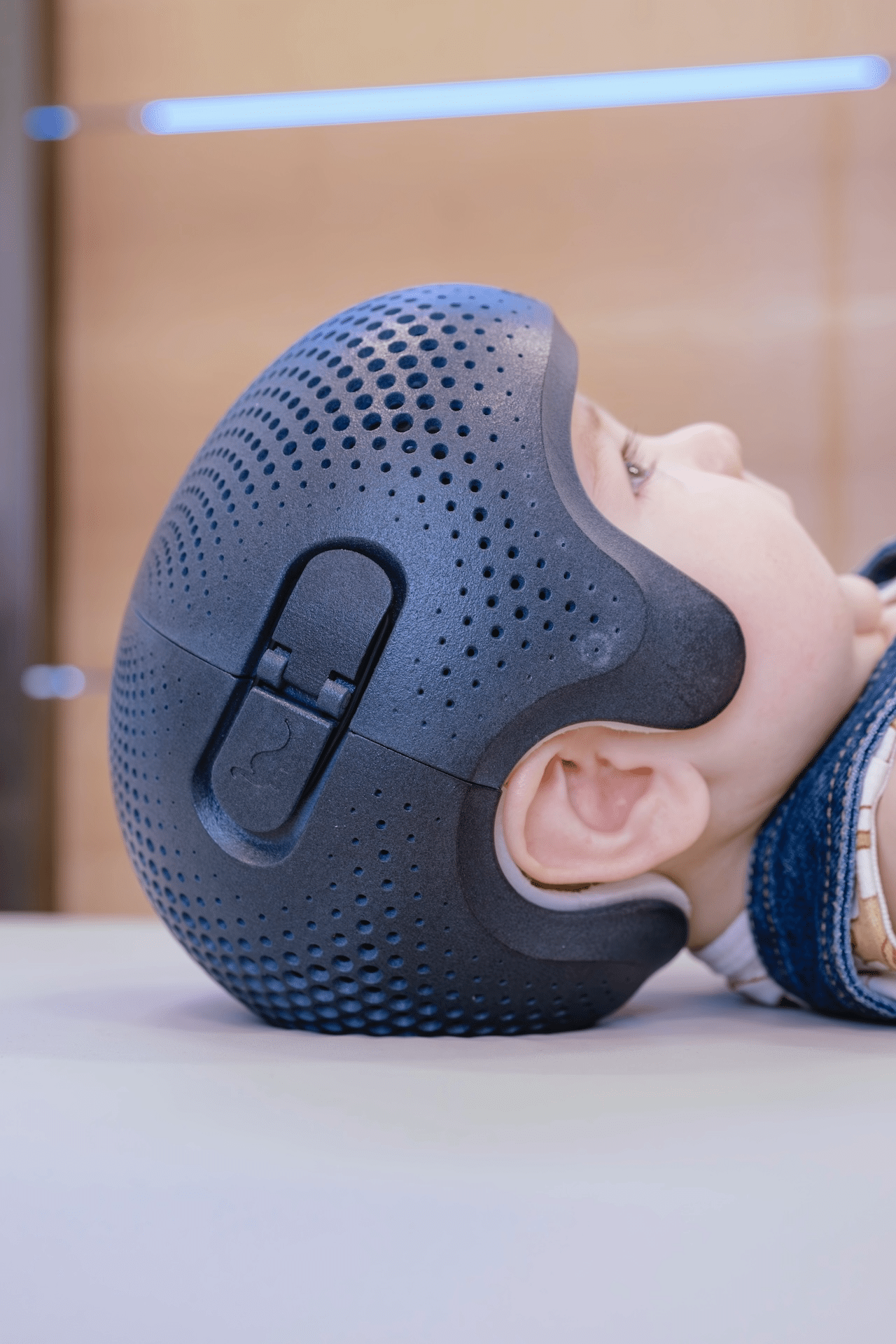
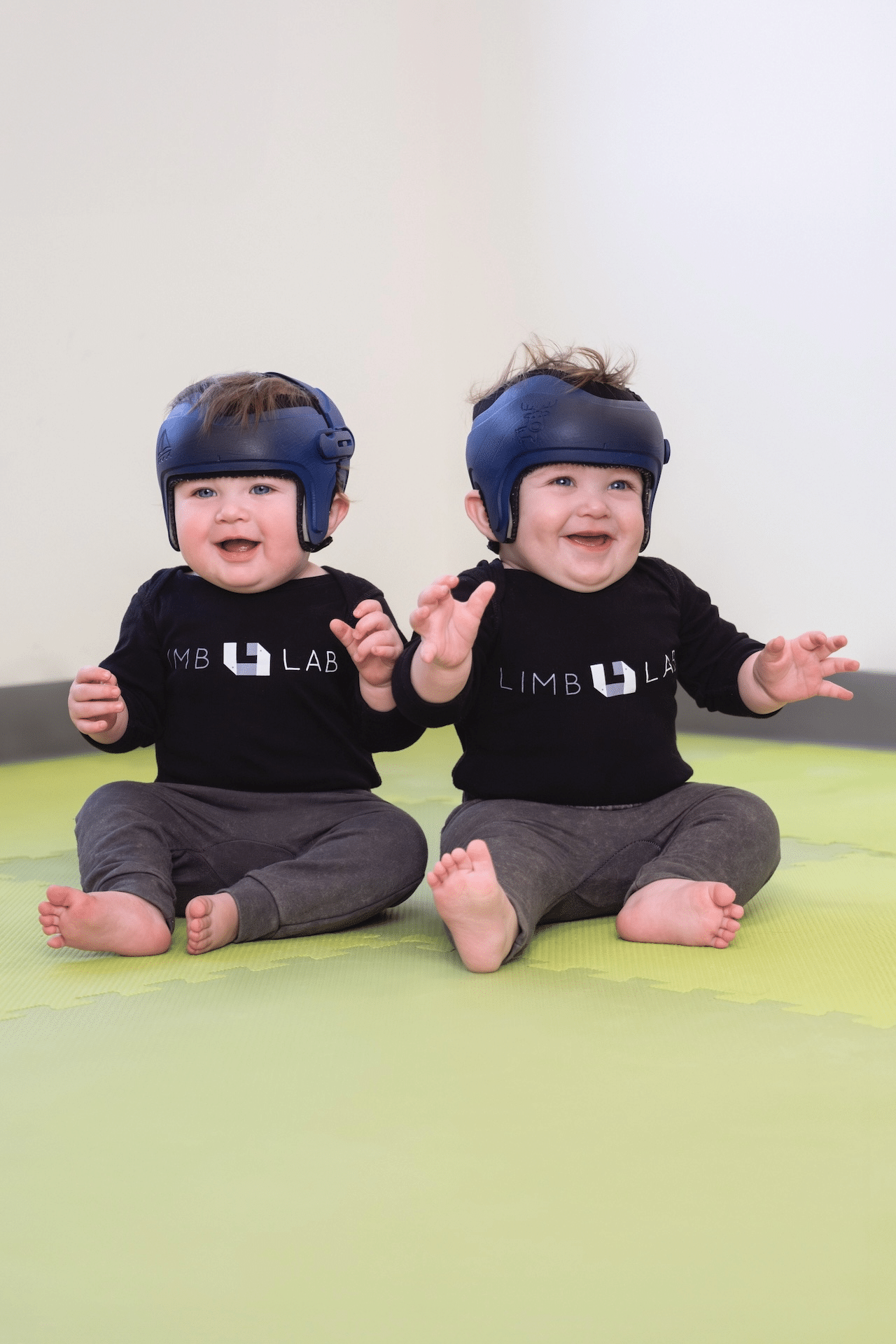
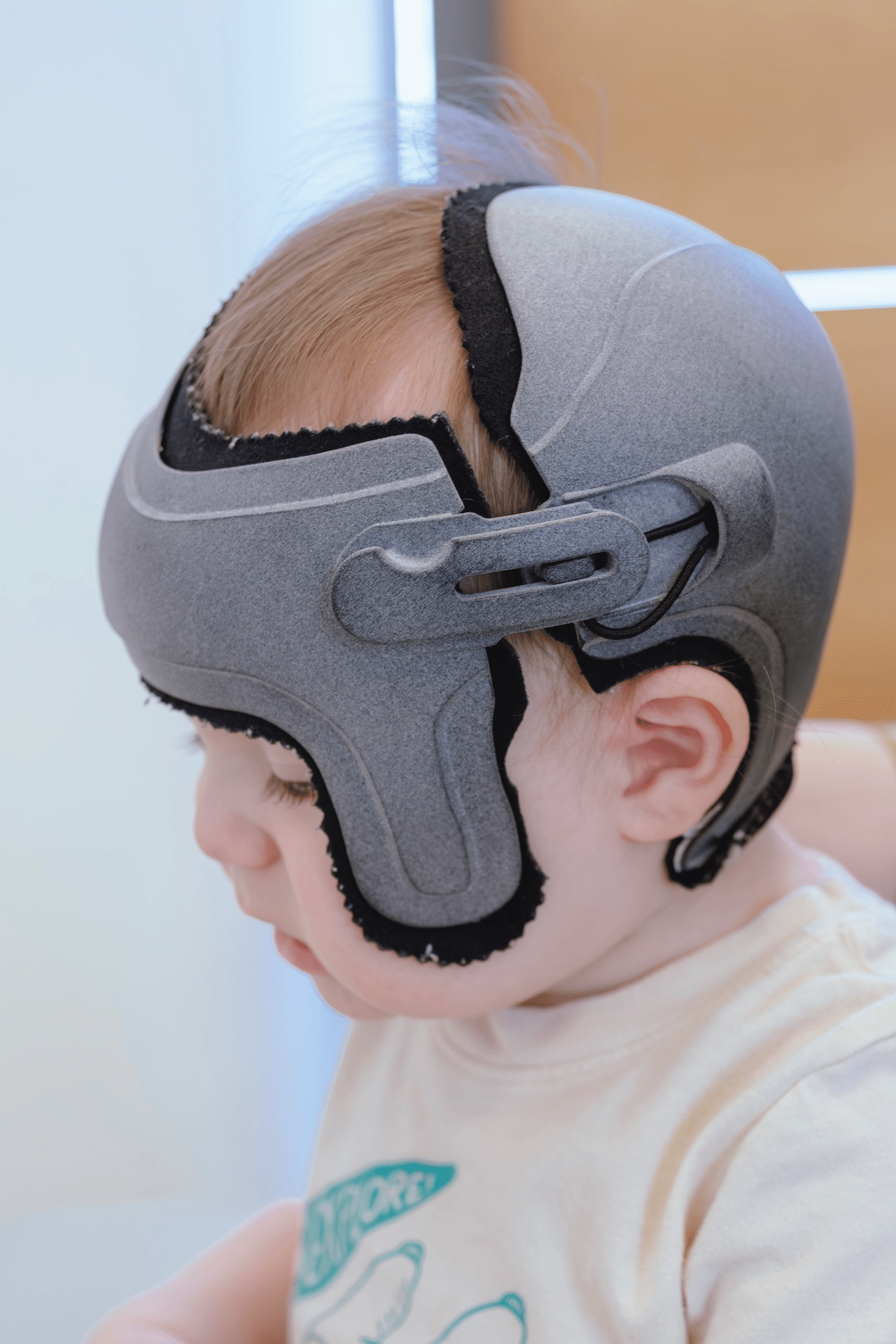
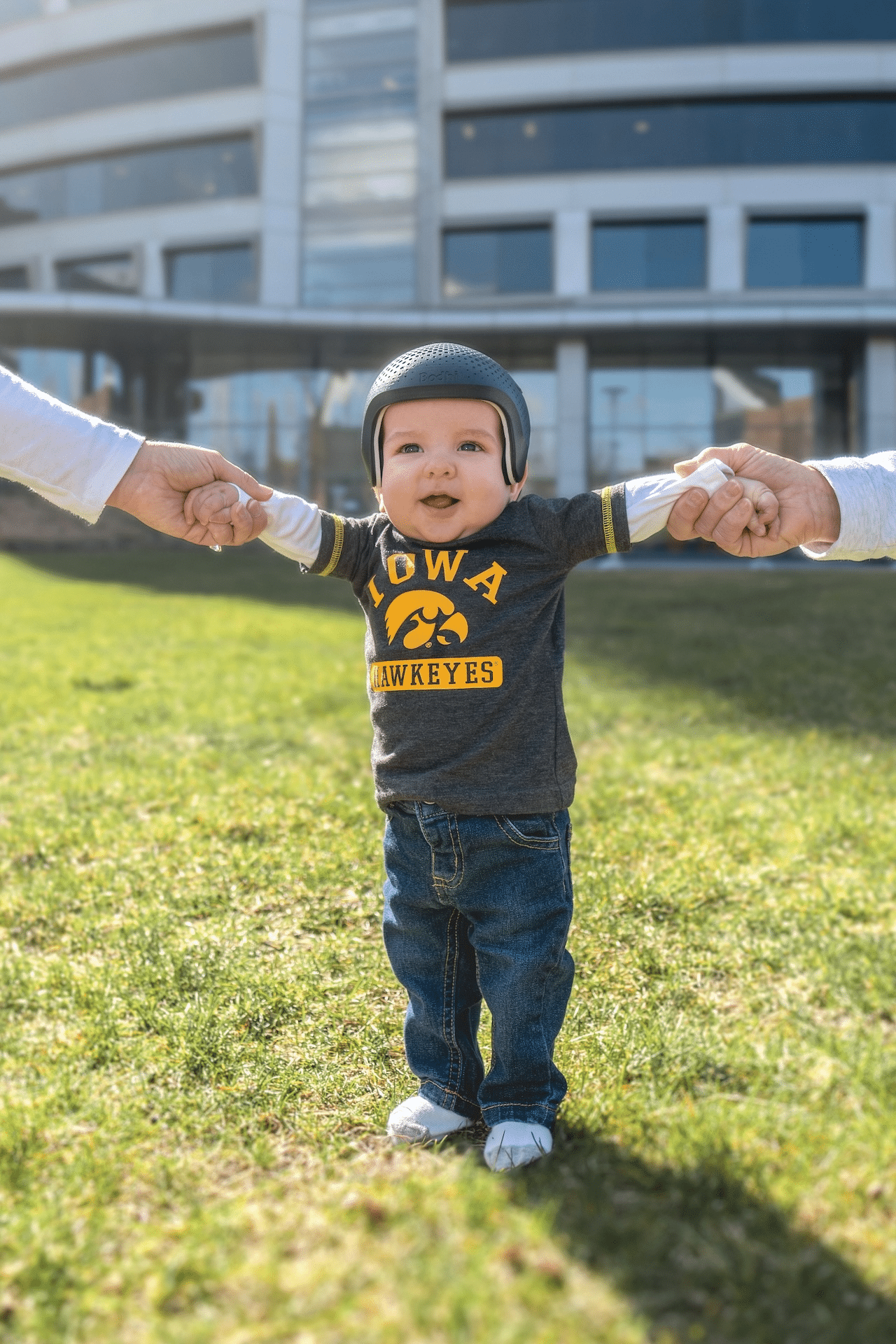
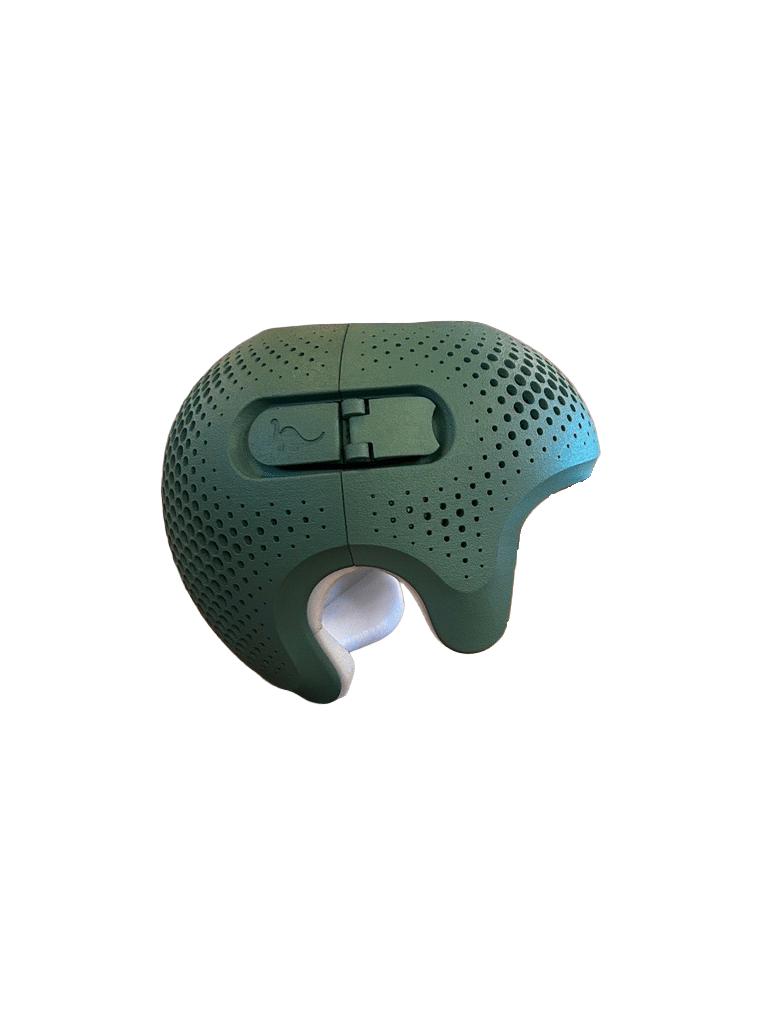
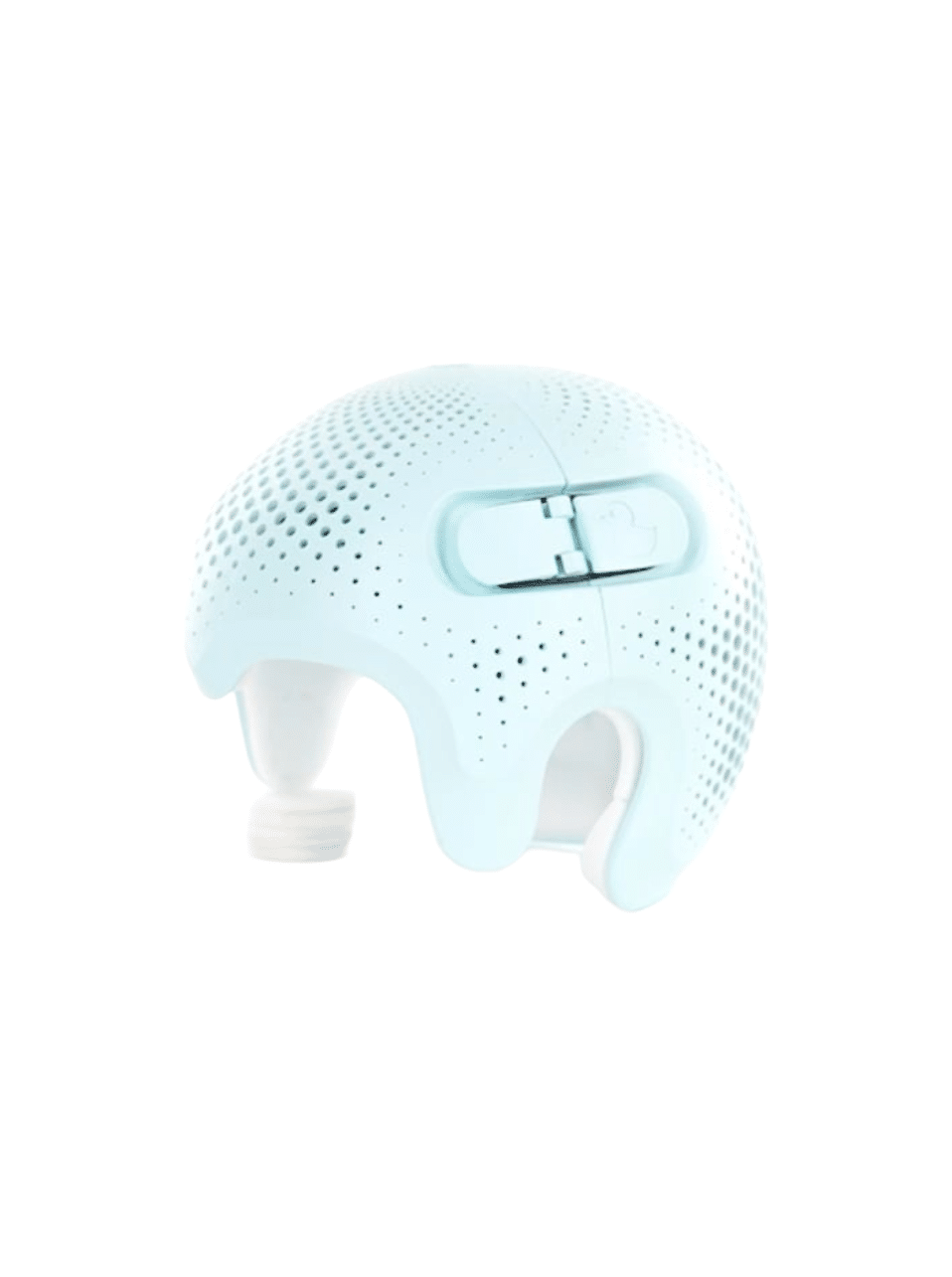
Cranial helmets are used to treat pediatric patients 3-18 months old to manage asymmetrical cranial growth. These 3D-printed helmets provide a gentle push in selective areas while encouraging growth in open spaces.
We work closely with your physician to recommend a cranial or synostosis helmet. If your child does need one, we fit the helmet within 14 days of the scan.
Initial evaluation, measurements, scans, and follow-up appointments are at no cost to you. Insurance authorization may be required for the device itself. Payment plans are available.
Follow-up visits begin two weeks after fitting and delivery and recur every 2-6 weeks to check progress and adjust the fit as your child grows.
Your clinician will ensure you know how to don and doff the helmet properly.
Follow the recommended wearing schedule until your baby wears the cranial helmet 23 hours per day.
Make sure you perform skin checks each time the helmet is removed.
It is a great time to bathe your baby and clean the helmet during the hour the helmet is removed. You can break this hour into smaller increments through the day.
All On/Off times should be repeated until bedtime.
Pink and red areas are common when you remove the helmet. This is from the gentle pressures inside of the helmet and lets us know the helmet is doing its job. Any red mark should go away within an hour. If it doesn’t go away, keep watch of this area and contact your orthotist.
Helmets trap heat just like any hat does. To avoid heat issues, it is best to keep your baby cool by dressing them in a layer lighter than usual during the day and night, especially if your baby perspires easily. If your child has a fever, remove the helmet until the fever breaks.
If your child is out of the helmet more than 48 hours, you may need to work up through the wearing schedule again. Extended time out of the helmet may create problems with the fit.
Break-up the hour off into 15-minute increments during hotter days or if your child develops a rash. Remove the helmet and wipe out any sweat inside. Place the helmet back onto the child’s head when everything is dry.
You can continue to use recommended creams and ointments, if your child has eczema, but you must allow the ointment to be absorbed fully prior to donning the helmet. DO NOT APPLY OINTMENT OVER INCISIONS.
Remove helmet before putting your child in a swimming pool or bath as it should not be submerged.