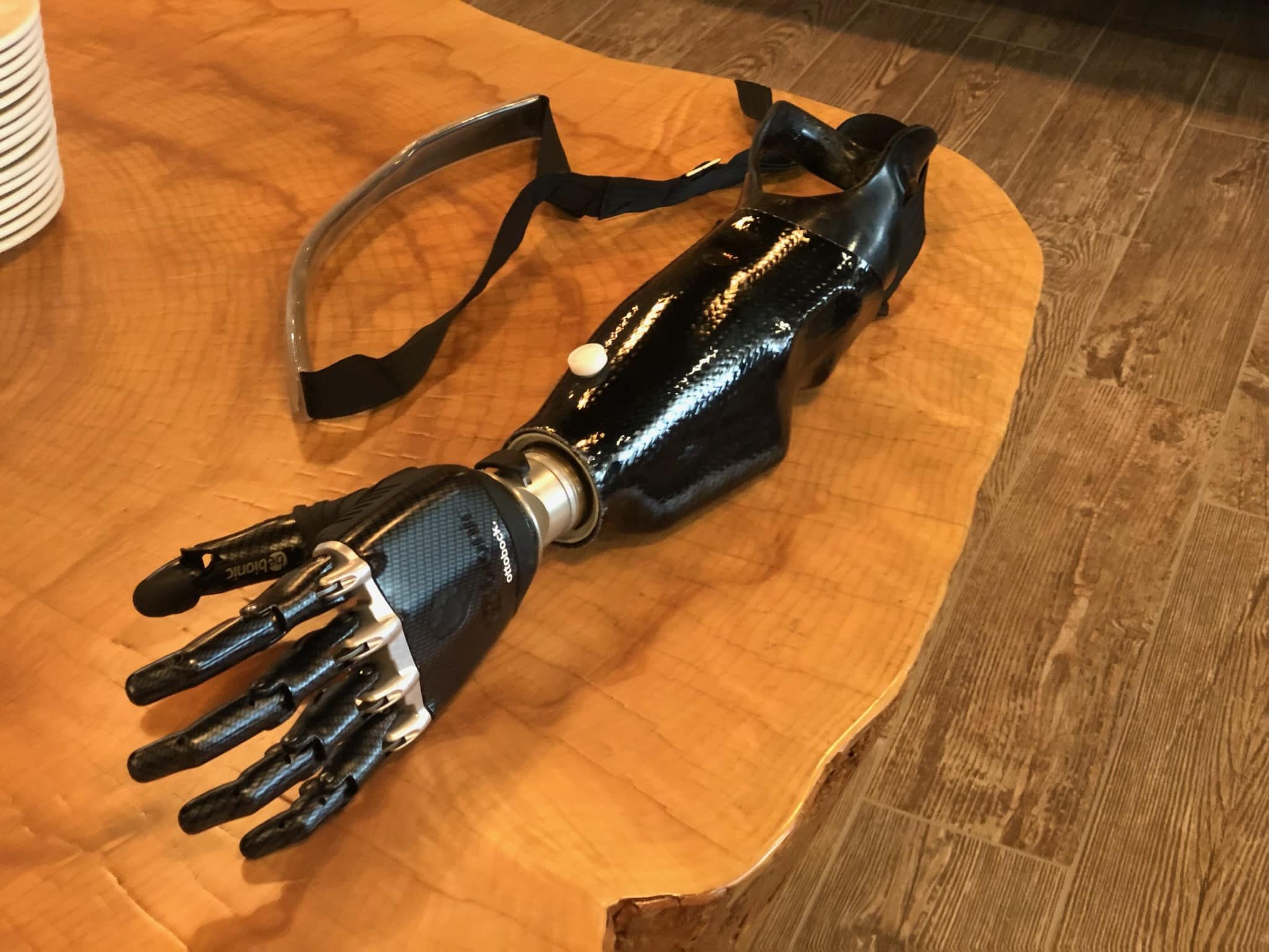
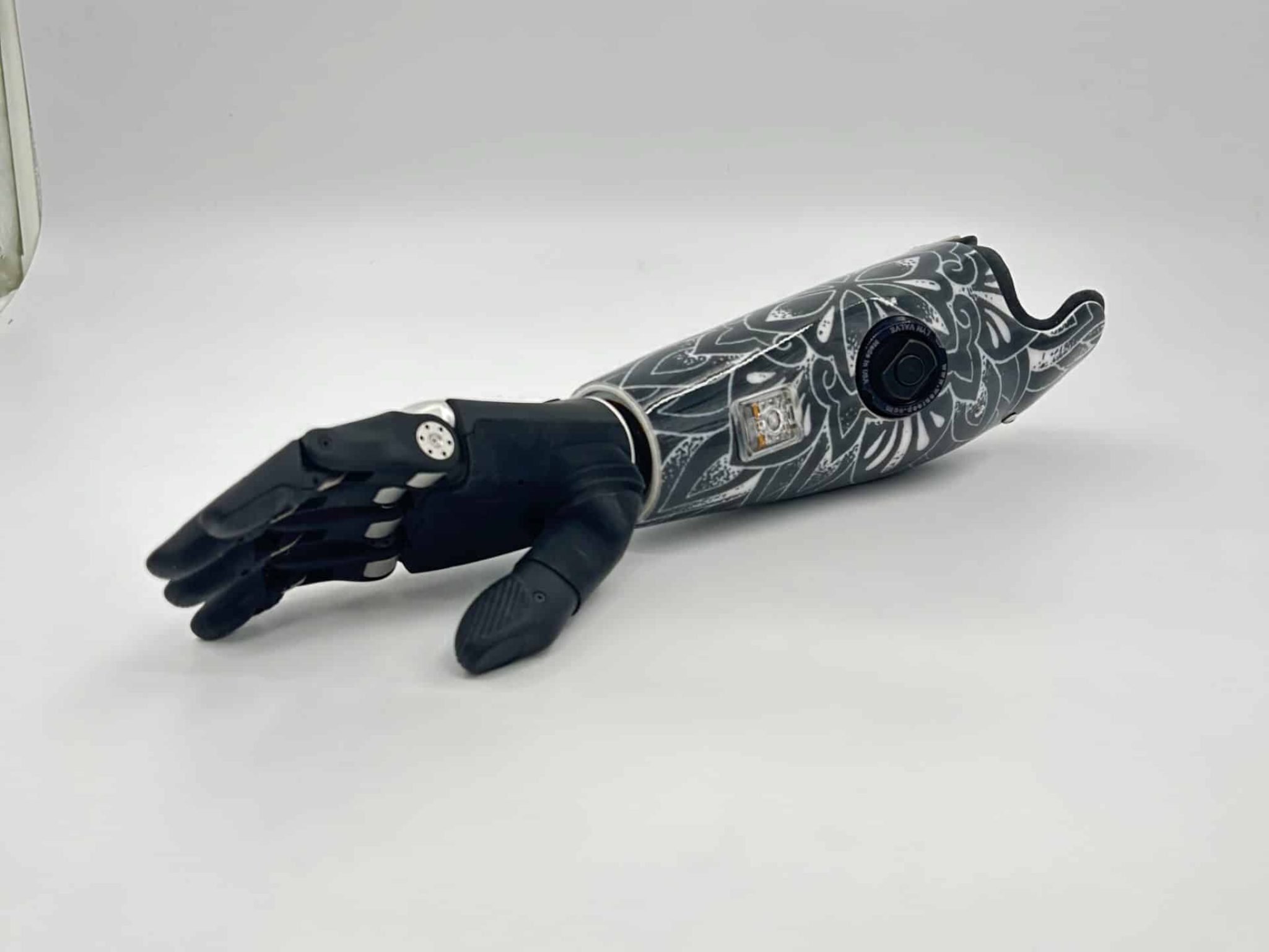
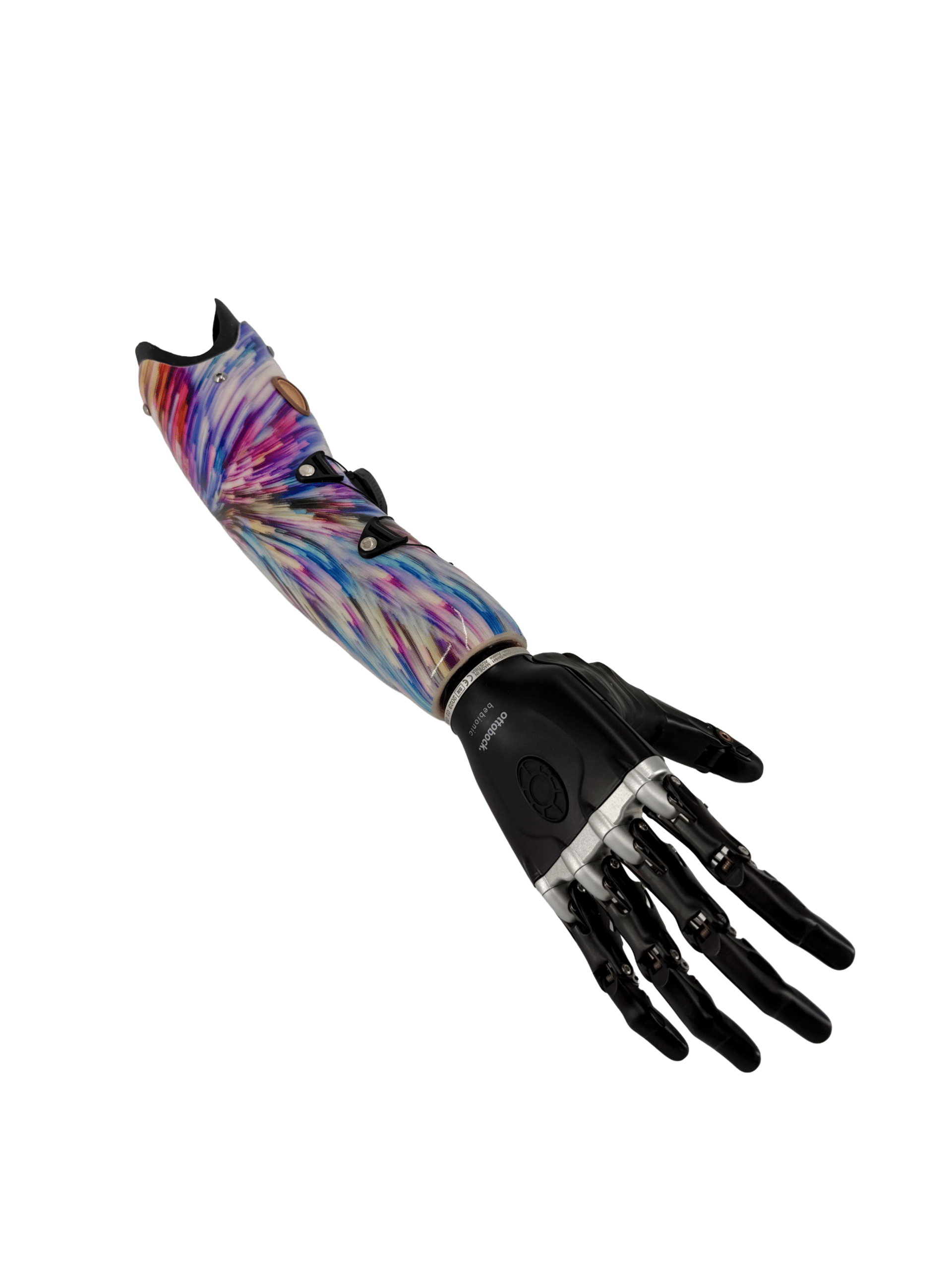
Transradial andwrist disarticulation prostheses are used by individuals with limb difference or amputation between the elbow and wrist.
There are many innovative suspension systems and terminal device options—such as hooks, hands, and Greifers—that allow your prosthesis to function the way you need it to. Our team works closely with you to design a prosthesis that is completely customized to you, restoring function, confidence, and independence in everyday life.
What are the benefits of a transradial prosthesis?
Perform everyday two-handed tasks more easily
Reduce strain on the remaining arm
Improve balance and posture by restoring weight symmetry
Finding the Right Fit
How do you select a transradial prosthesis?
Discuss with your clinician:
Your daily activities and environment
Strength and consistency of muscle signals (myoelectric only)
Your desired function and aesthetics
Upper Limb Prosthetic Options
Body Powered Prosthetics
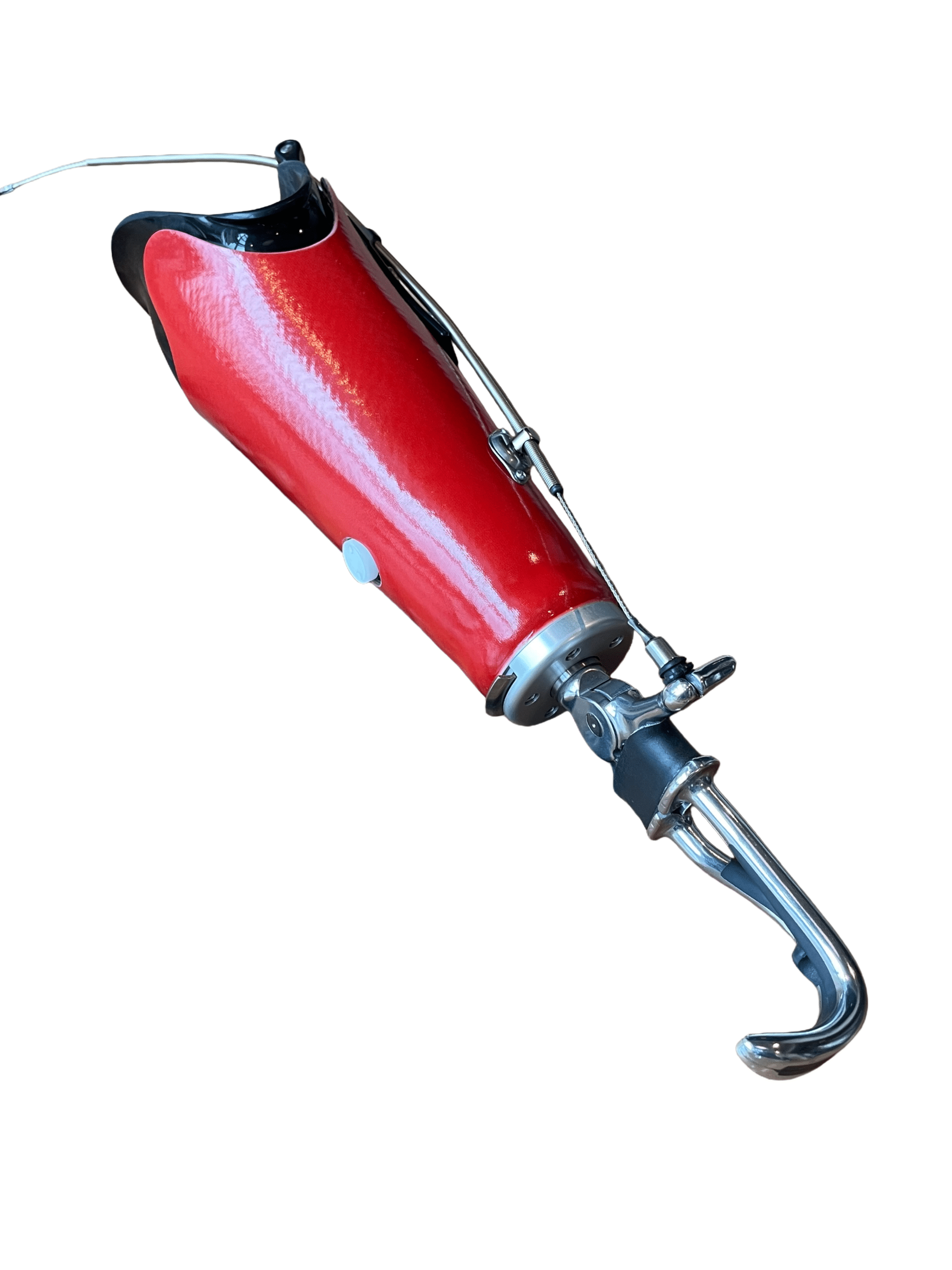
Body-powered devices are intended for heavy-duty use and combine a prosthetic hook or hand, a harness, and cables for optimal function and stability. By using muscles to pull on the cable, the wearer can open and close the hook or hand to grasp objects.
Functional Passive Prosthetics
Passive devices are made from silicone materials and are lifelike in appearance. They provide limited grasping ability and are primarily used for light activities.
Myoelectric Prosthetics
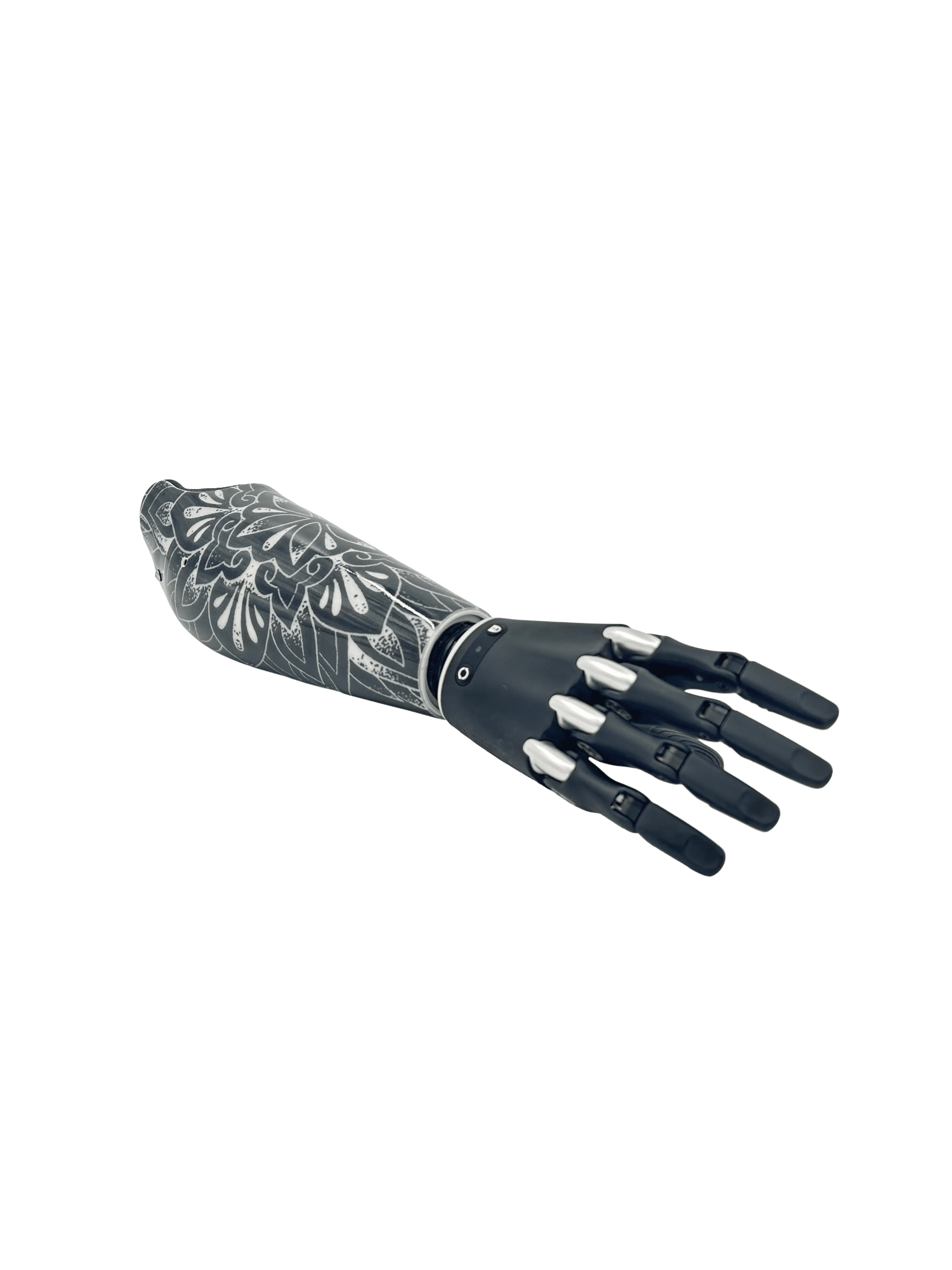
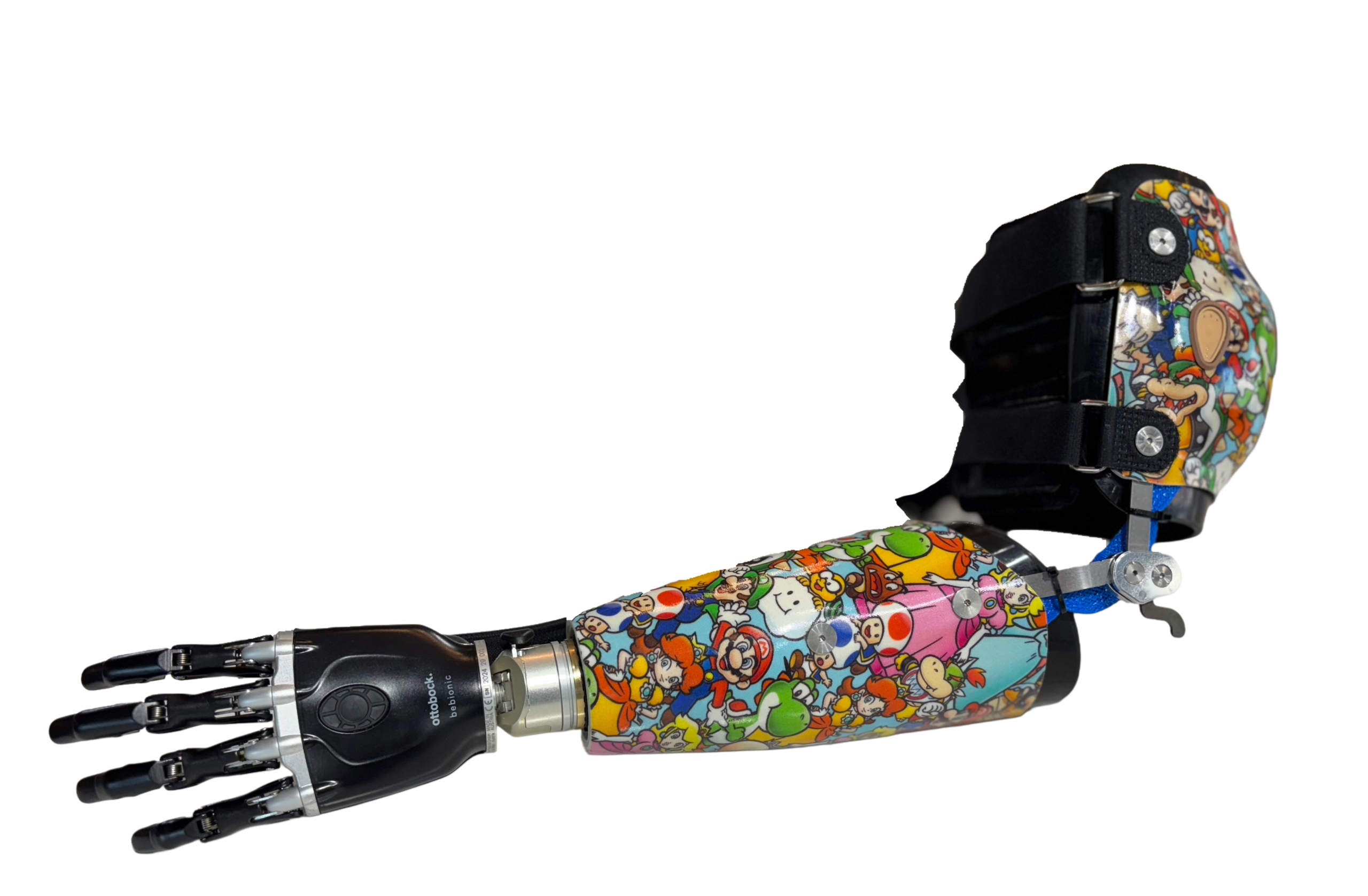
Myoelectric or externally powered prosthetic devices use microprocessors to read the electrical impulses or EMG signals from your muscles to allow the user to control the wrist or hand. They are functional devices that allow for different grip patterns and are a great choice for everyday use.
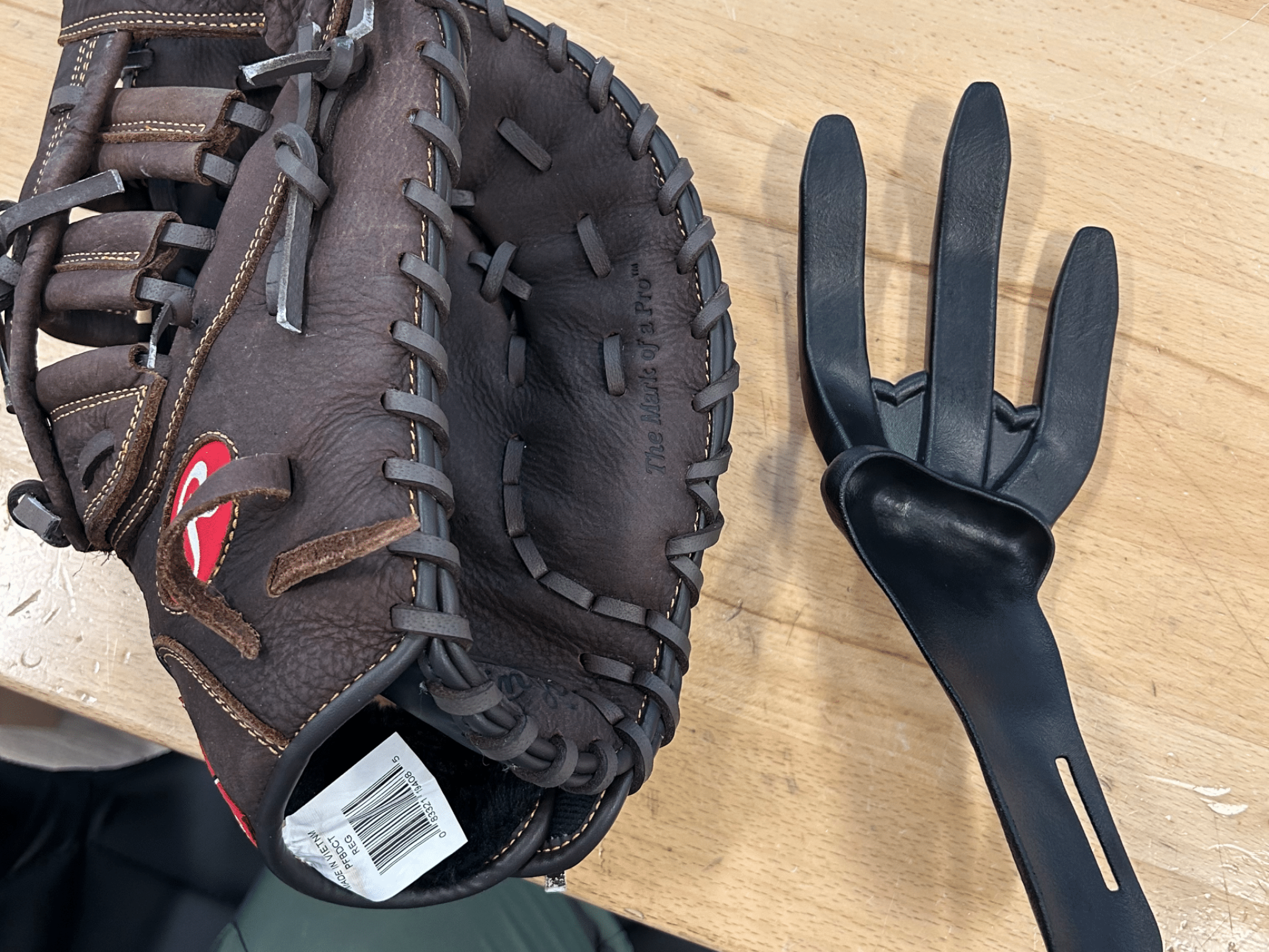
Activity Specified Prosthetics
Activity specific devices are custom devices made for specific individual tasks. Activities can range from sports, music, or any specialized activity.