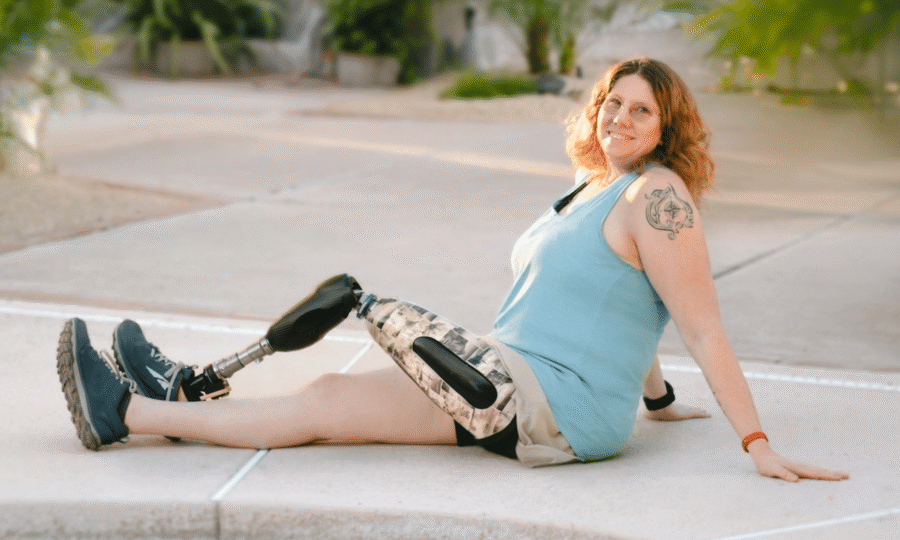
Traveling Without Limitations

Traveling with a prosthesis and not sure what to expect?
You’re not alone. With the right preparation, your next adventure is within reach.
Flying, road-trips, visiting family for the holidays, or even a once-in-a-lifetime trip is possible — and people with prosthetic devices do it every single day. Your prosthesis should help you live life without limits, not hold you back.
Limb Lab has helped people of all ages, whether to hike the Grand Canyon, compete in the Paralympics, backpack across Europe, or explore beyond. And just as meaningful, we’ve supported people traveling to graduations, weddings, and long-awaited reunions.
Whatever adventure is calling you next, you can get there.
Where do you want to go?
Prosthesis travel prep
Smoother travel starts before you leave
A little preparation can make everything more comfortable and predicatable.
- Request airport assistance early. If you would like help getting around the airport, contact your airline at least 48 hours ahead. You can request assistance on arrival, though it may involve a wait.
- Confirm handicap placards rules for your destination. Placards usually work nationwide, but local regulations can differ, so it’s helpful to check the rules for where you’re headed.
- Maintain your privacy, if you prefer. If you’d rather not explain your disability out loud to security, consider printing a TSA disability notification card to show at screening. → https://www.tsa.gov/sites/default/files/disability_notification_card_508.pdf
Not sure if your prosthesis is ready for travel? Inspect your prosthesis before traveling
Before you travel, give your prosthesis a quick check. Look for worn liners, loose components, unusual noises, or anything affecting fit and comfort. If something doesn’t seem right, contact your prosthetist before your trip. Our team can assess your fit, comfort, and backup solutions before your trip.
Carry on essentials for prosthetic travel
When traveling with a prosthesis, keep these essentials in your carry-on:
- Extra socks
- Shrinkers
- Lotion to protect sensitive skin areas
- Charger for you prosthesis, if needed
- Water bottle, since phantom pain or sensation can worsen if dehydrated
- Medications for phantom pain, if necessary
- Handicap placard

Need replacement supplies?
Flying with a prosthesis
Navigating airport security and getting comfortable in the air can be easier when you know what to expect.
Here are key tips to keep in mind:
- Inform TSA about your prosthesis. You are not required to remove your prosthesis at any point. TSA may ask to see it, pat it down, swab it, or use a higher-level screening machine (all standard procedures).
- Wear loose, comfortable clothing. Loose layers make it easier in case you decide to adjust or remove your prosthesis during the flight.
- If you remove your prosthesis during flight, try to keep your limb elevated and bring a shrinker to help prevent swelling.
- Request a private screening anytime. If you prefer more privacy, simply ask. No explanation is required.
- If you use a wheelchair, TSA may ask you to stand briefly while they check the chair. You can request assistance if needed.
Managing limb swelling and phantom pain
- Manage phantom pain proactively. Phantom pain can intensify in the air. Staying warm, using compression, taking medication as prescribed, or using light tapping or massaging can help.
- Your residual limb may swell during a flight. This can be managed with shrinker socks.
Additional resources:
- Visit TSA Cares for up to date guidance on security procedures. → https://www.tsa.gov/travel/tsa-cares/disabilities-and-medical-conditions
- See the travel tips from the Amputee Coalition. → https://amputee-coalition.org/travel-information-tsa-security-checkpoint/
FAQs for traveling with a prosthesis
-
No, you are not required to remove your prosthesis, and TSA officers should not ask you to do so. If you prefer, you may voluntarily remove it to help expedite additional screening.
-
Absolutely. If wearing your prosthesis becomes uncomfortable during a flight, you may choose to remove it. Consider wearing clothing that makes it easy to don and doff your prosthesis as needed.
-
Yes, this is common, especially for newer amputees. Cabin pressure changes and long periods of sitting can cause the residual limb to swell. If you plan to remove your prosthesis during the flight, consider wearing a shrinker while it is off to help control swelling and maintain a comfortable fit.
-
If you experience an issue while traveling, contact your prosthetist right away. They may be able to help remotely or direct you to a local prosthetic provider if hands-on assistance is needed.
-
We recommend bringing all prosthetic supplies in your carry-on rather than checked luggage. Pack essentials like prosthetic socks, shrinkers, liners, chargers, key fobs, and any adjustment tools you may need. Depending on your prosthesis, alcohol spray, donning aids, and other accessories may also be helpful to have on hand.