Spinal Orthotics
What is aspinal orthosis?

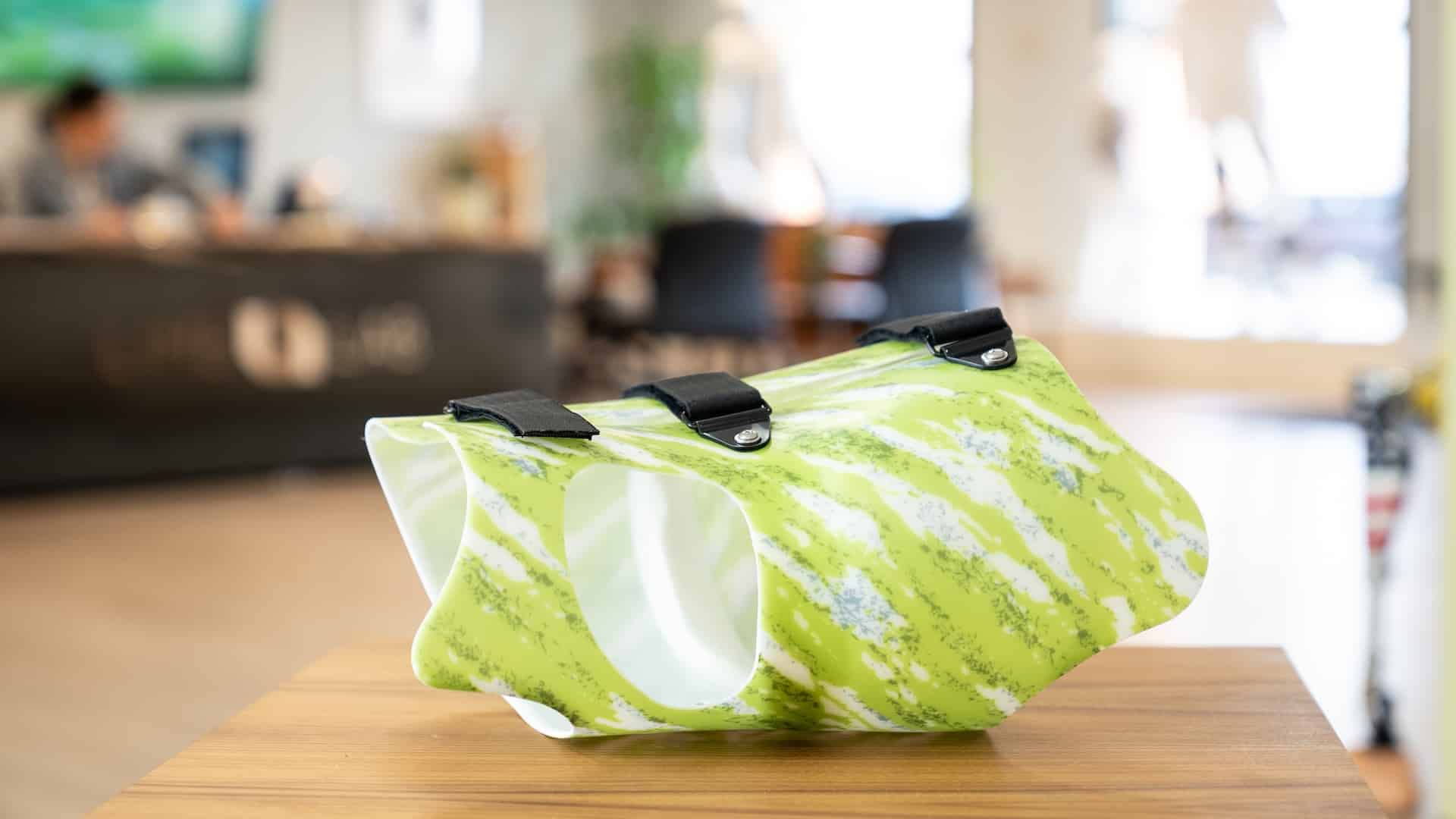
A spinal orthosis is an external device that supports or corrects your back or neck, to reduce pain, improve movement or support healing.
We design and fabricate the device to help you heal after an operation, treat a chronic condition, or recover from an injury.
You may be a fit if you experience…
A spinal orthosis limits uncontrolled movement and provides support, whether post-operation or post-injury, or for living with a chronic condition.
-
Neck or back pain or nerve-related symptoms such as cervical or lumbar strain, radiculopathy, or torticollis.
-
Spinal malalignment or instability due to scoliosis, kyphosis, spondylolisthesis, spondylolysis, spinal instability, or degenerative disc or joint disease.
-
Inflammatory or non-inflammatory arthritis, osteoarthritis, or osteoporosis.
-
Muscle weakness or neurological conditions that affect spinal support and function.
-
Recent spinal fracture, injury, or surgery.

-
Yes. Spinal orthoses can be custom-made for greater support, a more precise fit, or pressure targeted to a specific body part. Whether or not your spinal orthosis is custom fabricated, your clinician will adjust it for a personalized fit to meet your unique needs.
-
Yes. A spinal orthosis can help manage scoliosis by supporting the spine and helping prevent the curve from progressing. Particularly in children and adolescents who are still growing, early evaluation and treatment can be important for achieving the best possible outcome.
-
It depends on the type of spinal orthosis and why it was prescribed. Some are designed to be worn during the day, others during sleep to support the spine, limit movement, or protect healing after an injury or surgery. Follow the instructions of your orthotist and healthcare provider on the right time to wear your orthosis.
-
Yes, in many cases. Spinal orthoses for scoliosis are generally worn even when exercising or playing sports. However, if you are wearing an orthosis to protect your spine and promote healing, you may need to avoid sports or strenuous activity until your clinician says it is safe. Always consult with your orthotist and care team for safety and optimal use.
Halo orthoses
Torticollis treatment device
Cervical orthoses (CO) soft or rigid
Cervicothoracic orthoses (CTO)
Thoracic orthoses
Thoracolumbar orthoses (TLO)
Thoracolumbosacral orthoses (TLSO)
Lumbar orthoses (LO)
Lumbosacral orthoses (LSO)
Sacroiliac orthoses (SIO)
Scoliosis orthoses
Kyphosis orthoses
Positional orthoses
Custom-molded spinal orthoses
Post-surgical spinal orthoses
Fracture orthoses
Stabilization and immobilization orthoses
Determine the right level of spinal support and movement control based on your symptoms, spinal alignment, posture, range of motion, strength, and stability.
We take precise measurements and, when needed, a cast or 3D scan to design a custom spinal orthosis around your anatomy, alignment, and movement needs.
Test your spinal orthosis for proper alignment, comfort, support, and movement control. We show you how to use and care for it.
Your orthotist is there for you as your condition, movement, or needs change.
Support at the right level for your condition and personal needs
Support your mid- and lower-back while limiting movement to help protect and stabilize your spine.
Provide support and help limit movement after spinal surgeries or injuries while you recover.
Help guide spinal growth and control the progression of certain scoliosis curves in children and teens.