Wearing a Prosthesis in the Summer Heat

It’s summer time. What does this mean for your prosthesis?
Wearing Your Prosthesis in Summer Heat
Hot weather can make wearing a prosthesis challenging. Heat and sweat may cause discomfort, skin irritation, and changes in how your prosthesis fits.
The good news? Simple daily habits can help you stay cooler, protect your skin, and keep your prosthesis fitting comfortably all summer long.
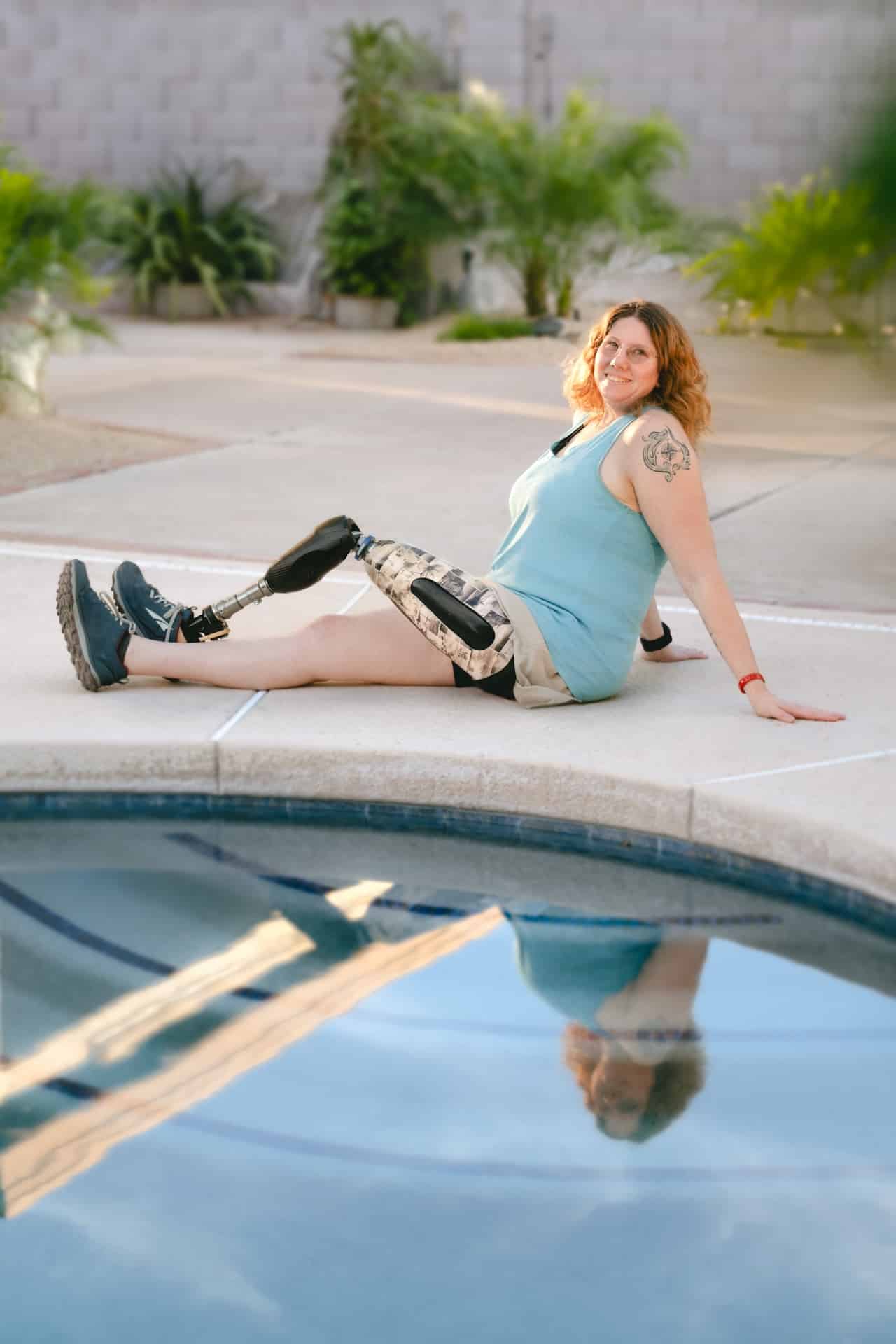
Common Prosthetic Problems in Hot Weather
- Extra sweating inside the socket or liner.
- Skin irritation like redness, rash, or blisters.
- Swelling or limb size changes affecting fit.
- Feeling loose or less secure in the socket.
- More fatigue during activity in hot weather.
- Odor or moisture buildup in socks, sleeves, or liners.
- Increased phantom pain or sensations.
- Signal issues with myoelectric prosthetics.

Tips to Keep Your Prosthesis Comfortable
- Wear a silver liner sheath to reduce sweat and bacteria.
- Carry extra socks or supplies in case your fit changes.
- Dry your limb and liner often to prevent moisture buildup.
- Ask your prosthetist about liners or suspension options for hot weather.
- Use antiperspirant (not deodorant) after testing a small area for skin reaction.
- Wear a shrinker at night to control limb volume and reduce phantom pain.
Summer Skin Care for Your Residual Limb
- Wash your limb with mild soap and dry it completely.
- Clean your liner, socket, and socks often; make sure they’re fully dry before wearing.
- Check your skin daily for redness, blisters, or sore spots.
- Use antiperspirant (not deodorant) after testing a small area for skin reaction.
- Remove your liner and wipe your skin during the day to reduce sweat buildup.
- Moisturize your limb at night to prevent dry skin.
See Amputee Coalition for more resources →
When to Contact Your Provider
Contact your prosthetist if your prosthesis is causing discomfort or your fit feels off.
If you are experiencing persistent redness, open skin, signs of infection, or worsening pain, contact your healthcare provider.
-
Yes—just make sure the shoes have a strap that goes around the heel, since a prosthetic foot can’t rely on toe grip to keep the shoe in place.
-
You don’t have to. Many people choose to use a waterproof prosthesis for better safety and stability around wet areas, but remove it when swimming. Unless you have a prosthesis specifically designed for swimming, wearing one in the water will usually make swimming more difficult.
-
Most prosthetic devices can safely get wet, unless they include a microprocessor unit. Even then, many modern microprocessor components are now waterproof. It’s always best to check with your prosthetist before submerging your device.
When it comes to water type, fresh water is generally safer than salt water, as salt can cause corrosion and long-term damage. If you do use your prosthesis in the water, be sure to rinse it thoroughly with clean water afterward to remove any residue.
-
Most likely. If you’re a new amputee, your body is used to releasing heat through the skin on your limb. Once that limb is enclosed in a prosthesis, your body needs time to adjust, since it can no longer cool itself in that area through sweating.
-
Phantom pain can often worsen in extreme temperatures such as hot summer days or cold winter nights. To help manage this, try to keep your limb at a comfortable, consistent temperature whenever possible.